
Blog
Insights, product news, and engineering articles from the Generator Labs team.
 Certificate Monitoring
Monitoring Internal PKI and Private CA Certificates
The certificate that takes down an internal service is rarely public. It is a private-CA cert nobody was watching, because your public monitoring never sees it.
 Certificate Monitoring
Self-Signed Certificates in OpenSSL
The exact openssl command for a self-signed certificate with SANs, what each client says when it meets one, and where self-signed is fine and where it isn't.
 Email Security
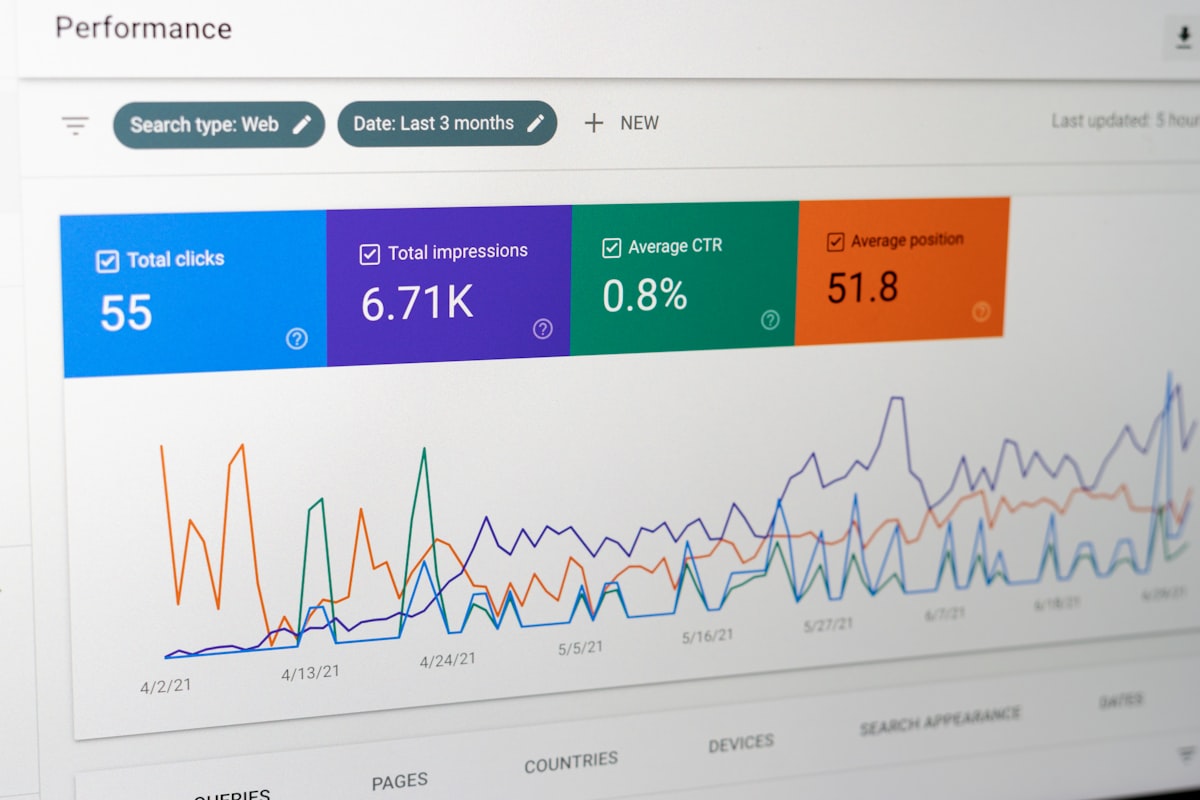
Gmail Postmaster Tools v2: The Dashboards Worth Watching
Google is retiring the Domain and IP Reputation dashboards. Here is what Postmaster Tools v2 shows instead, and which numbers to put an alert on.
 Certificate Monitoring
What Is a TLS Certificate?
A TLS certificate binds a hostname to a public key, signed by a CA your client trusts. Here's what each field means, read off a live certificate with openssl.
 Blacklist Monitoring
Snowshoe Spam and Why Fresh IP Ranges Get Blocked
Snowshoe spammers spread mail thinly across many IPs to stay under per-address limits. The defense is why your new, blameless IP range still gets blocked.
 Blacklist Monitoring
What Does Blacklisted Mean?
Blacklisted means your IP or domain is on a list that mail servers and DNS filters check before accepting traffic. How the lists work and how to get off one.
 Blacklist Monitoring
Domain-Based Blocklists: URIBL, SURBL, and the Spamhaus DBL
IP blocklists judge the server. Domain blocklists judge the links inside your message. Moving to a clean IP does nothing if your domain is the problem.
 Blacklist Monitoring
Spamhaus Now Requires HELO and rDNS
Spamhaus is rolling out a rule that every sending IP needs a valid HELO, a PTR record, and a matching A record. Miss one and the IP can land on a blacklist.
 DNS Security
DNSSEC Explained: The Chain of Trust
DNSSEC signs DNS answers so a resolver can prove they were not tampered with. When the chain breaks, the whole zone goes dark with a single SERVFAIL.